
Guy Martin on two wheels: why long, lonely bike rides still matter
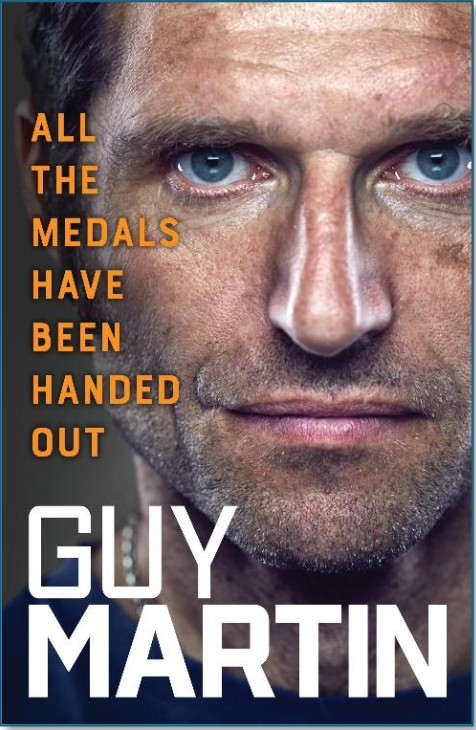 Guy Martin is best known for motorcycles, speed records and mechanical graft, but buried within his latest book All The Medals Have Been Handed Out is some of the most honest and uncomfortable cycling writing you are likely to read this year. Away from engines and television crews, Martin keeps returning to the pushbike as a way of resetting his head, even when the riding itself is frequently miserable.
For cyclists, especially those drawn to endurance riding, bikepacking and solo adventures, these chapters feel familiar in the best and worst ways.
Cycling as a mental reboot
Martin is clear that these big rides are never about fitness gains or pretty routes. They are about stripping life back to its basics. Sleep when you can, eat what you find, keep turning the pedals. He describes long solo rides as a reset for his brain rather than his body, something that lingers long after the physical discomfort fades.
That idea will resonate with anyone who has disappeared for a few days with only a bike and a vague plan. The suffering is not a side effect. It is the point. Martin talks openly about how pushing through cold, fatigue and doubt recalibrates his perspective once he is back home.
When the plan falls apart in Europe
One ride begins with an ambition to follow the European Divide Trail towards Portugal, starting in early March. Almost immediately, things unravel. Wrong bike choice, no proper training and freezing temperatures conspire to sap momentum. Instead of flowing gravel tracks and steady progress, he finds himself shivering through nights sleeping rough, hiding in sheltered corners and someone’s garden just to get rest.
For seasoned cycle tourers, the lessons are painfully obvious. Tyres too wide, position too upright, clothing not warm enough. But Martin leans into those mistakes. He is not chasing the perfect setup. He is testing how much discomfort he can tolerate without quitting.
Eventually, realism wins. Portugal slips out of reach and the goal shrinks to something simpler and more honest: reaching the Mediterranean. That change of mindset brings the best moment of the entire trip. A warm morning in Orange, a decent night’s sleep and an easy roll into town for coffee provide the payoff he was searching for. A few calm hours justify days of misery.
Traffic, tunnels and fear in Turkey
The later ride from Istanbul eastwards towards Baku takes the intensity up another level. This is not romantic cycling. Much of the route follows main roads through Turkey and Georgia, including long tunnels shared with heavy traffic. Martin is unflinching about how scared he feels riding through mile long tunnels with trucks brushing past at speed.
There is an important distinction he makes here, one many cyclists will recognise. He is comfortable with risks he can control. Tunnels filled with HGVs remove that control entirely. The fear is not dramatic. It is slow, imaginative and exhausting, fuelled by endless what ifs.
To cope, he adapts. Sometimes pushing the bike along raised walkways. Sometimes riding further out in the lane to force drivers to overtake properly. None of it feels ideal, but it is the only way forward. The miles still tick by. Days stretch to twelve hour rides, punctuated by strong coffee, roadside food and brief human connections.
Why go alone
Martin is adamant that these rides have to be done solo. There is no camera crew and no shared decision making. Sharon, his wife, is his safety net from afar, handling logistics and potential rescues, but the riding itself is deliberately lonely.
That solitude sharpens everything. Fear feels louder. Small kindnesses from strangers feel bigger. Successes and failures are owned completely. For committed endurance cyclists, this rings true. Riding alone leaves no space to hide, either from traffic or from your own thoughts.
The point is not the finish
The rides do not always end where intended. Borders refuse entry. Bikes break. Bodies protest. Plans collapse. Yet Martin keeps returning to the idea that the value lies in a handful of fleeting moments. A sunrise after a brutal night. A quiet coffee in a foreign town. Sitting in a bar watching life unfold after days of effort.
He sums it up brutally. Weeks of misery might buy you seconds of memory, but those seconds last forever. For anyone who has questioned why they put themselves through audax rides, bikepacking races or lonely winter training blocks, that explanation makes an uncomfortable sort of sense.
What cyclists can take from it
This is not a how to guide. There are no packing lists or route suggestions. Instead, Martin offers something rarer: permission to admit that big rides are often grim, scary and inefficient, yet still worthwhile.
In an era of curated adventures and perfect kit, All The Medals Have Been Handed Out is a reminder that cycling at its rawest is messy. Bikes are just tools. The real challenge is deciding, each morning, whether you are willing to swing a leg over the saddle again.
For Martin, and for many cyclists like him, that answer remains yes.