
April Racing, Cape Epic Drama and New Ways to Ride: Inside the New Issue of BIKE Magazine
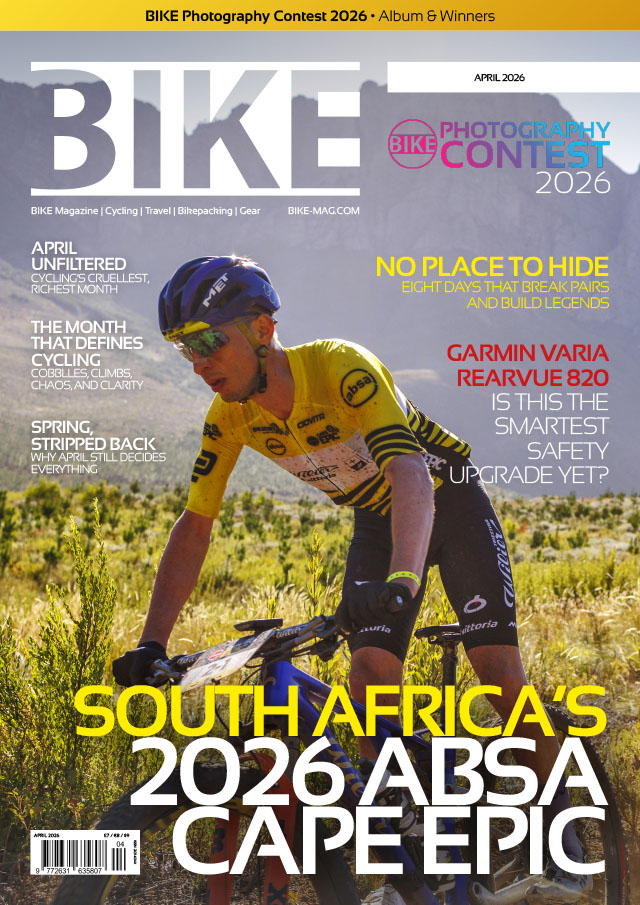
Start reading BIKE Magazine April 2026 today
April’s arrival marks one of the most decisive periods in the cycling calendar, and the latest issue of BIKE Magazine captures the sport at its most revealing, from the chaos of the Spring Classics to the endurance test of the Cape Epic, alongside new technology, destination riding and standout cycling photography.
In professional cycling, April is widely seen as a month that leaves little room for uncertainty. With a calendar packed with cobbled Monuments, Ardennes climbs, unpredictable weather and decisive stage races, the sport shifts into one of its most demanding and closely watched phases of the season. The new issue of BIKE Magazine reflects that intensity, focusing on the races, riders and stories that define cycling at its most uncompromising.
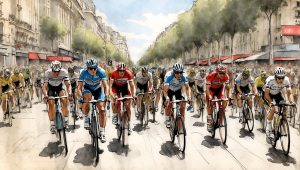
At the centre of the road racing coverage is the Spring Classics season, where reputation and form are put under sustained pressure. Races including Dwars door Vlaanderen, the Tour of Flanders, Paris-Roubaix and the Ardennes Classics headline a stretch of the season in which tactical judgement, positioning and resilience can be just as important as pure power. These events, linked together by stage race interludes, form one of the richest narratives in the sport, a sequence where plans often unravel as quickly as they are made.
The issue also places strong emphasis on the continued rise and importance of women’s racing during this same period. Rather than existing in the shadow of the men’s calendar, the women’s Spring Classics are presented as a central part of April’s rhythm and significance. With growing depth, intensity and tactical sophistication, the women’s races now stand as headline events in their own right, adding a parallel layer of drama to one of cycling’s biggest months.
Beyond the road, BIKE Magazine turns its attention to one of the sport’s hardest endurance events, the Cape Epic. Known for demanding both physical fitness and psychological resilience, the race remains a benchmark for mountain biking under extreme pressure. Coverage of the 2026 edition focuses not only on the closeness of the men’s competition and the commanding nature of the women’s race, but also on the qualities the event continues to expose: decision-making, teamwork, composure and the ability to respond when things begin to go wrong.
Mechanical failures, shifting race dynamics and physical fatigue are all part of what makes the Cape Epic such a significant test. In this issue, the event is framed as more than a race against terrain or rivals. It is presented as a test of character, where riders are repeatedly forced to adapt, recover and make clear choices under pressure. That sense of honesty, the idea that the bike only responds to what a rider does next, forms one of the key themes of the coverage.
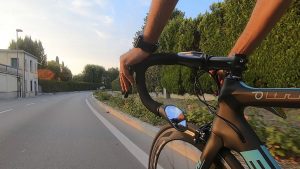
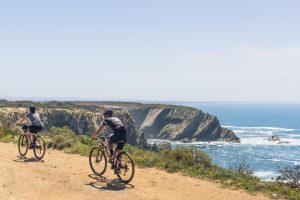
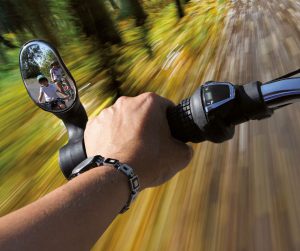
The magazine also broadens its focus beyond elite racing, exploring how cycling continues to evolve in quieter but equally meaningful ways. One feature looks at the Garmin Varia RearVue 820, highlighting technology aimed at improving rider awareness and making increasingly busy roads feel more manageable. In contrast to racing’s intensity, other stories explore more reflective forms of riding: vineyard roads in Vaud, forest gravel routes and lakeside loops that offer a reminder that cycling’s value is not always measured by speed or suffering.
Across these features, the issue suggests that progress in cycling does not have a single definition. It may mean riding faster, but it can also mean riding more safely, seeing hazards earlier, making smarter choices or simply finding ways to stay out on the bike for longer. By moving between performance technology, endurance events and more relaxed riding experiences, the magazine presents a wider view of what cycling means in 2026.
Photography plays a major role in this edition as well, with BIKE Magazine showcasing work from its latest Photography Contest. The competition brought together a broad range of interpretations of cycling, from the intensity of racing and the practicality of everyday transport to the solitude of bikepacking and more experimental visual storytelling. The selected images demonstrate how cycling can embody multiple identities at once: speed and stillness, utility and obsession, competition and freedom.
According to the issue’s framing, these photographs do more than record moments. They expand the way cycling is seen and understood. Many of the most striking entries capture fleeting scenes that might otherwise have gone unnoticed, reinforcing the idea that the culture of cycling is shaped not only by races and equipment, but also by attention, perspective and memory.
Taken together, the new issue of BIKE Magazine is built around a single recurring idea: clarity. April clarifies who is ready to win. Hard routes clarify form. Endurance events clarify character. And the best stories, whether told through reporting, travel, technology or photography, strip cycling back to its essentials.
As the sport enters one of its defining months, BIKE Magazine’s latest issue offers a broad but focused snapshot of cycling under pressure, on the move and seen from every angle.