
GRVL buries two jerseys for two years to show what happens after the ride
A simple side by side test from the Hertfordshire brand puts the spotlight on one of cycling kit’s biggest sustainability questions: what happens when performance apparel reaches the end of its life?
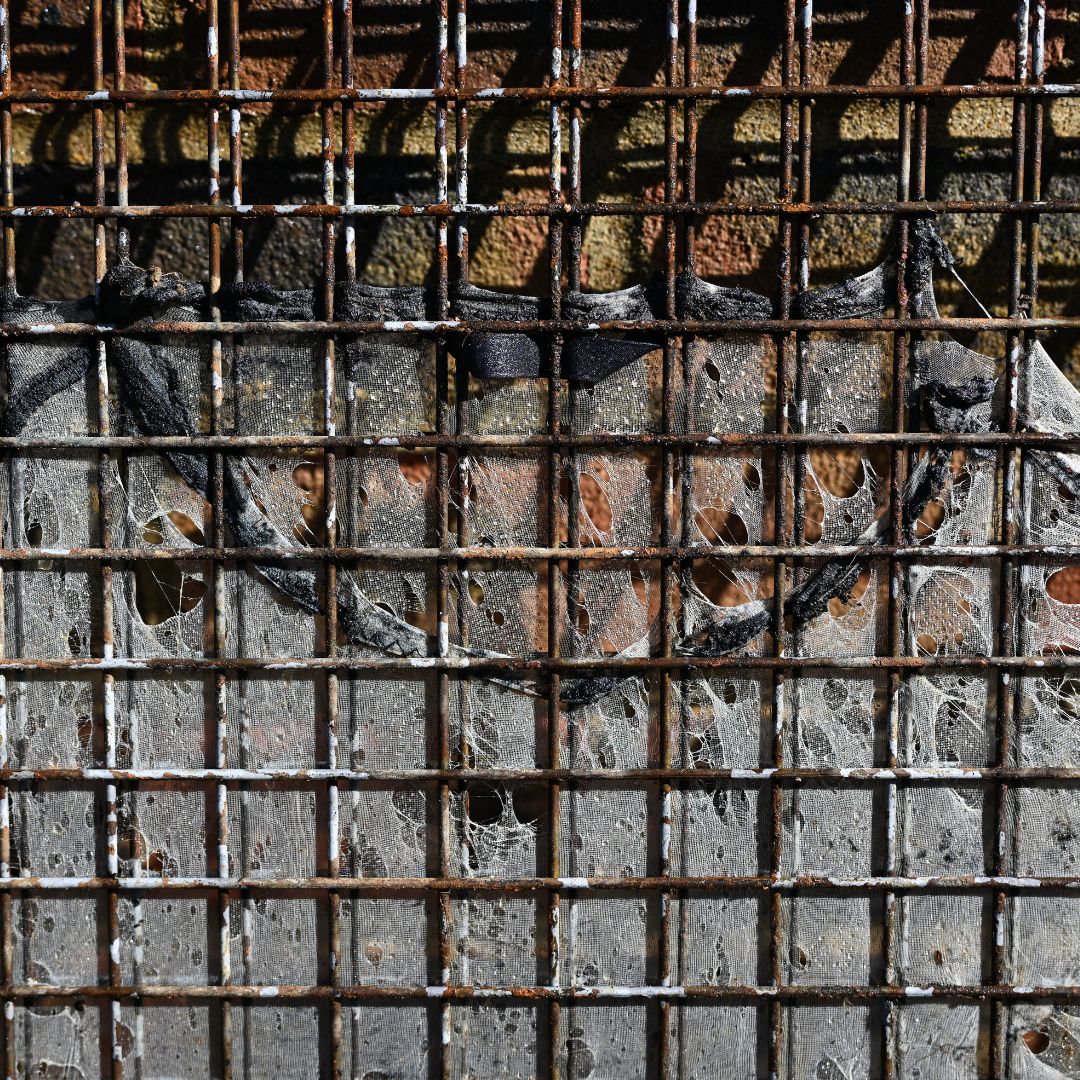
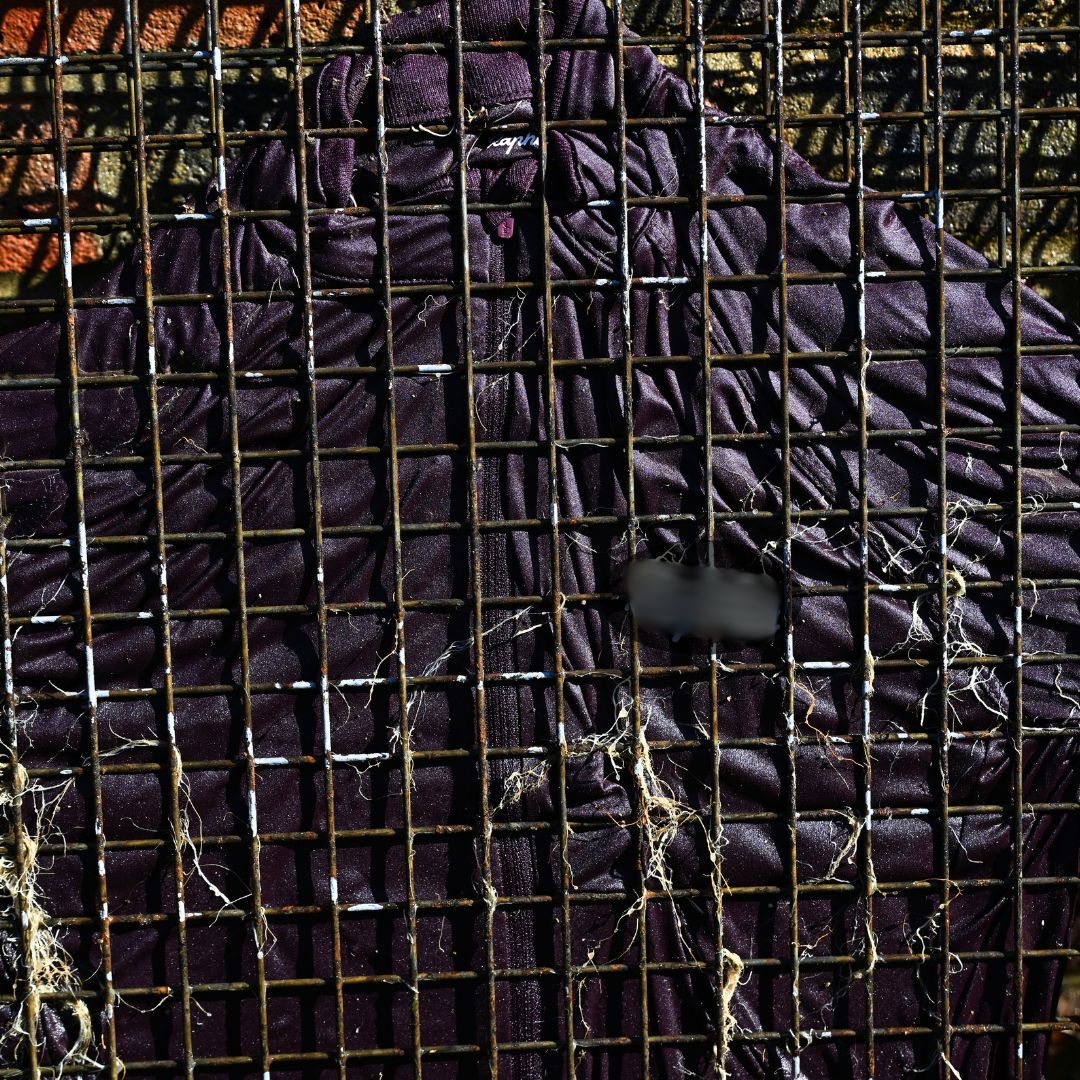
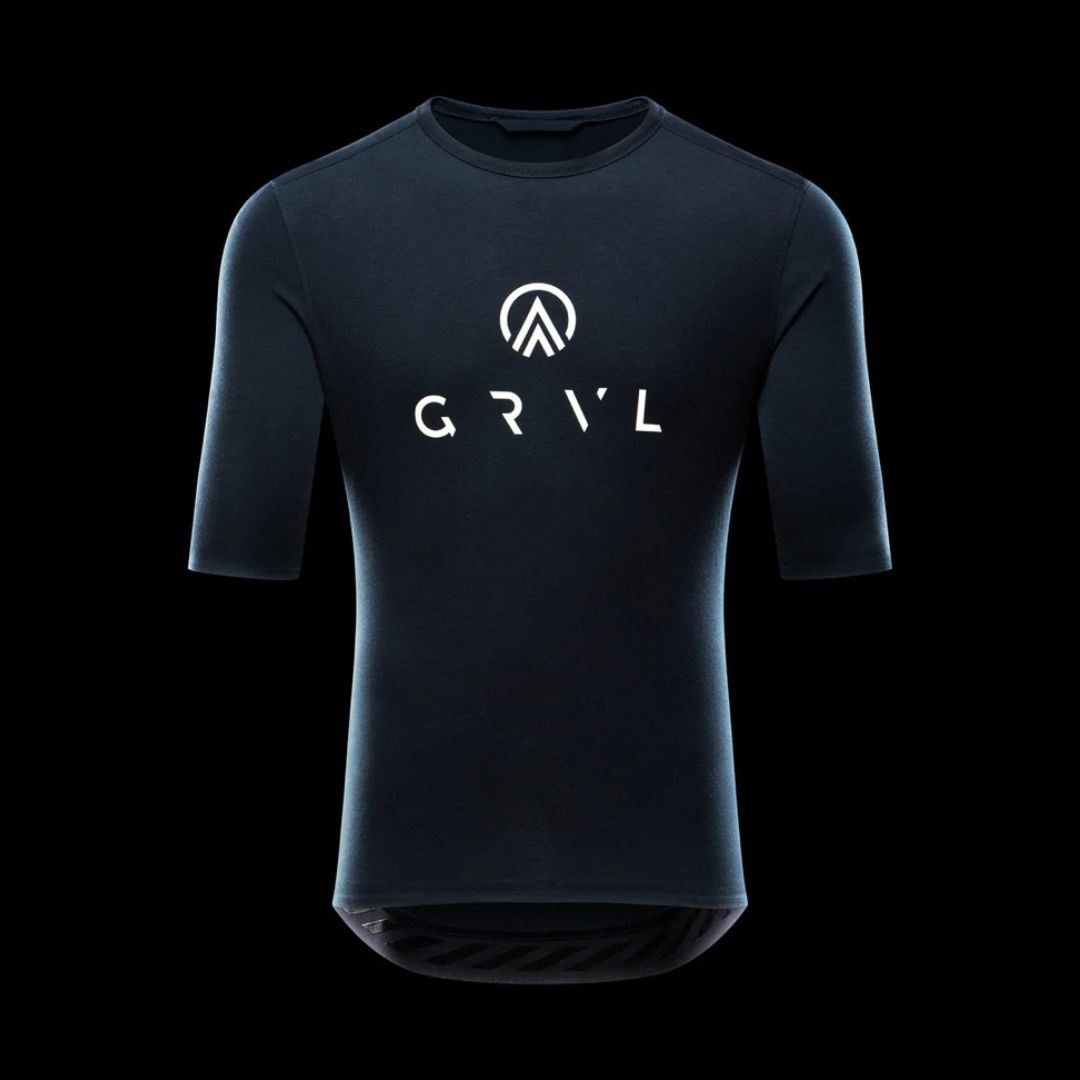
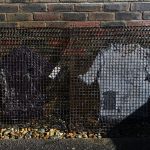
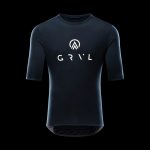
GRVL has released the results of a two-year burial test designed to compare how natural and synthetic cycling garments break down over time. The sustainable gravel apparel brand buried two tops in March 2024: its own Merino Wool and TENCEL™ T-Shirt, and a conventional synthetic cycling jersey made from plastic-based fibres. Both were placed underground in the same conditions and left until March 2026.
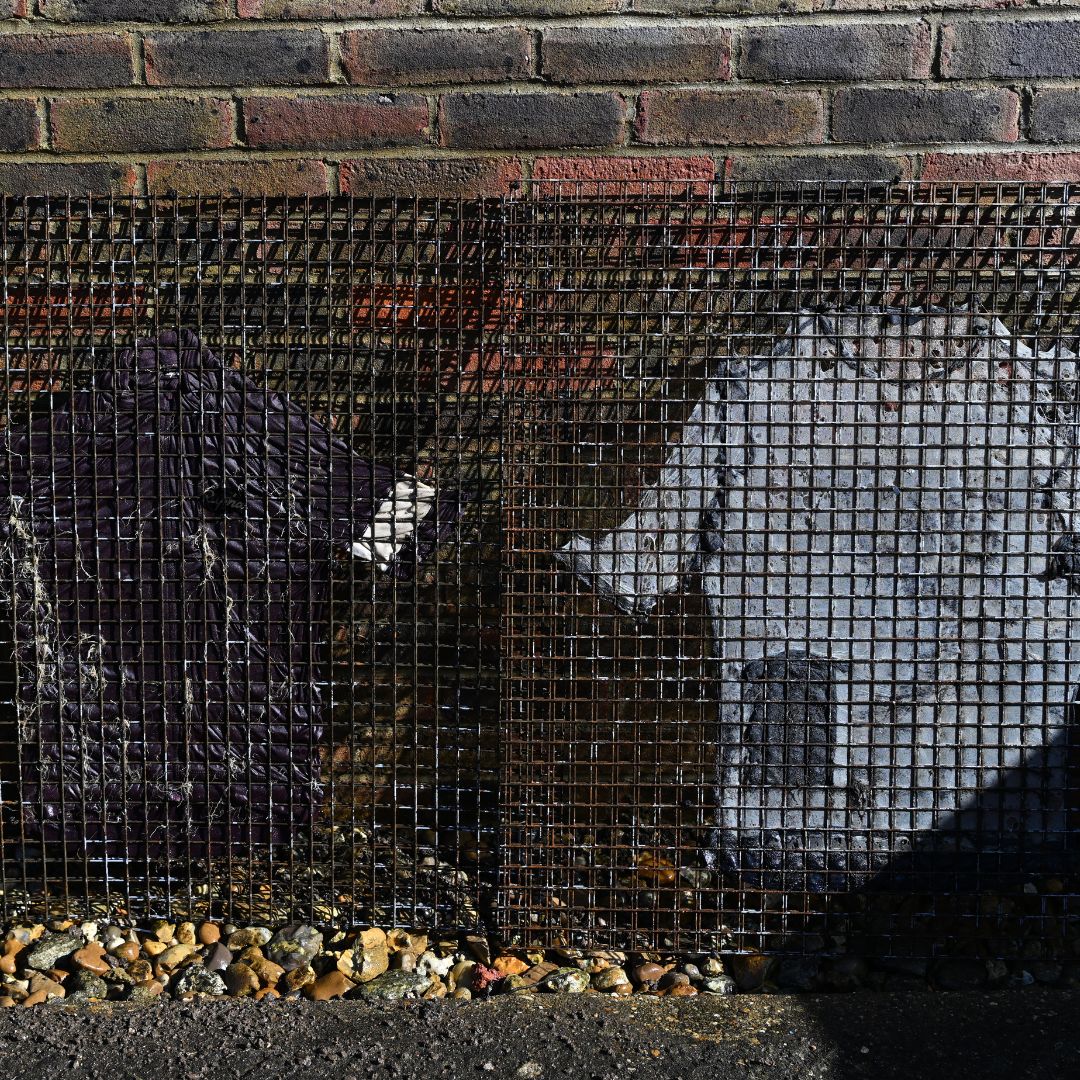
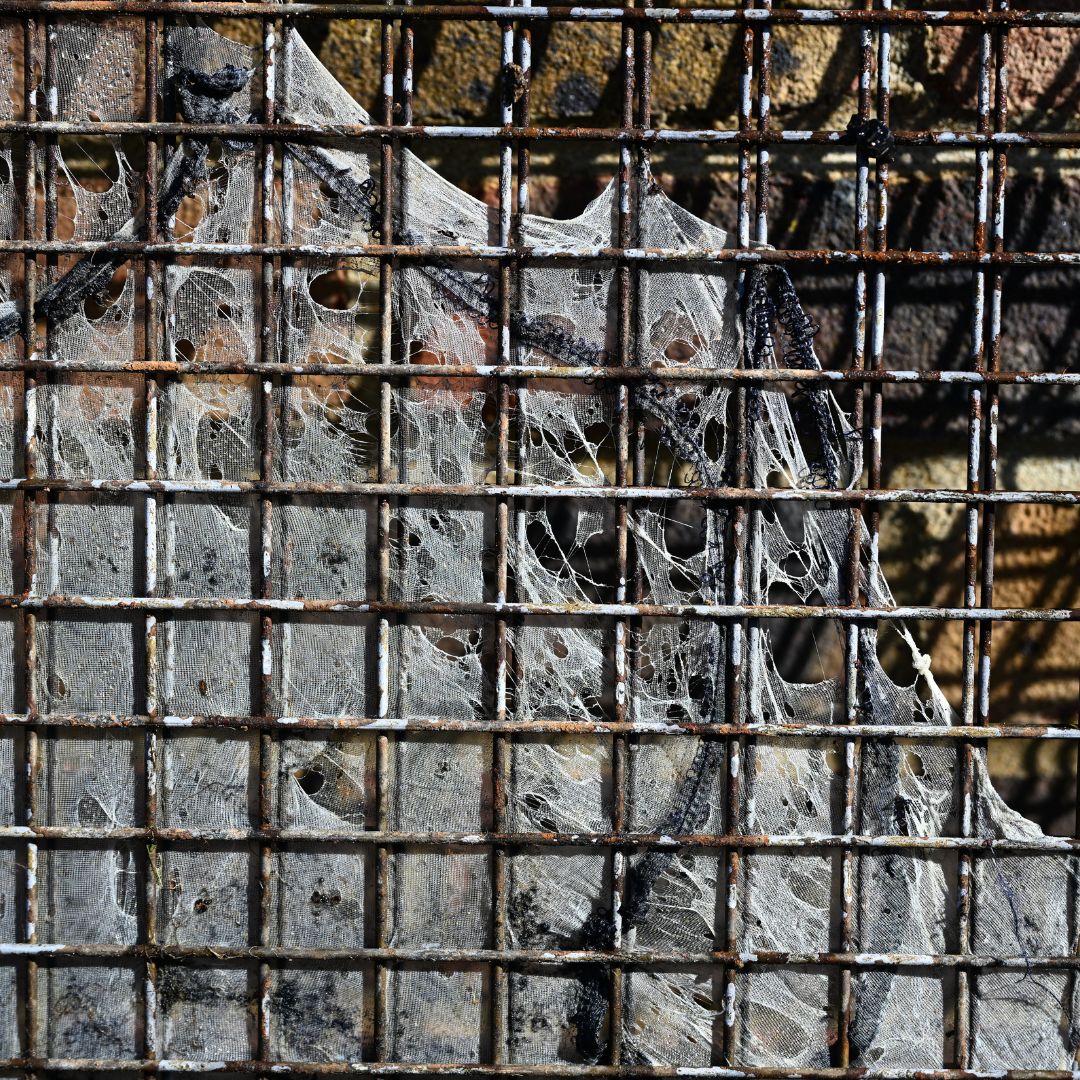
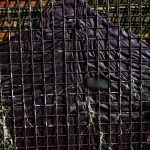
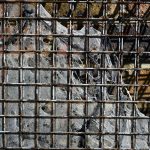
When the garments were dug up, the difference was stark. According to GRVL, its natural fibre jersey had largely biodegraded and returned to the earth, while the synthetic jersey remained structurally intact and still wearable, showing almost no meaningful signs of decomposition.
For riders, the message is a clear one. Cycling kit is often judged on performance while it is being worn, with brands talking up breathability, moisture management and durability. GRVL’s experiment asks a different question: what happens once that kit has finally reached the end of the road? The brand says the answer matters, particularly in a sport that prides itself on a close connection with the outdoors.
The test also touches on a wider issue across cycling and the apparel industry. Synthetic fabrics dominate performance clothing because they are hard-wearing and versatile, but they are also plastic-based and can persist for years after disposal. GRVL argues that material choice should be part of the sustainability conversation from the start, not treated as an afterthought once a garment is no longer usable.
At the centre of the brand’s pitch is its use of a proprietary blend of Merino Wool and TENCEL™ Lyocell. GRVL says these fibres deliver the breathability and temperature regulation riders expect from technical kit, while also offering biodegradability. The company frames that as an alternative to the fast fashion cycle that increasingly affects sportswear, instead pushing a slower model based on longevity, lower consumption and more responsible production.
Production is another part of the story. GRVL says its garments are made in Portugal using renewable energy and certified processes, with the aim of combining performance with a lower environmental footprint. The burial test is intended not just as a piece of brand storytelling, but as a prompt for the wider cycling community to think more carefully about what kit is made from and where it ends up.
In a market crowded with claims around sustainability, GRVL’s approach stands out because it is tangible and easy to grasp. Bury two jerseys, wait two years, then see what is left. It is not a laboratory trial or a marketing slogan, but a real-world comparison that makes the afterlife of cycling apparel difficult to ignore.
Whether this kind of test changes buying habits remains to be seen, but it does land on an important point. If cycling wants to present itself as a sport rooted in the landscapes it rides through, then the industry’s material choices matter. GRVL’s buried jersey experiment is a reminder that performance should not only be measured on the bike, but also by the footprint a garment leaves behind.