
What Goes on Tour: Tour de France tragedy and family secrets drive new cycling novel

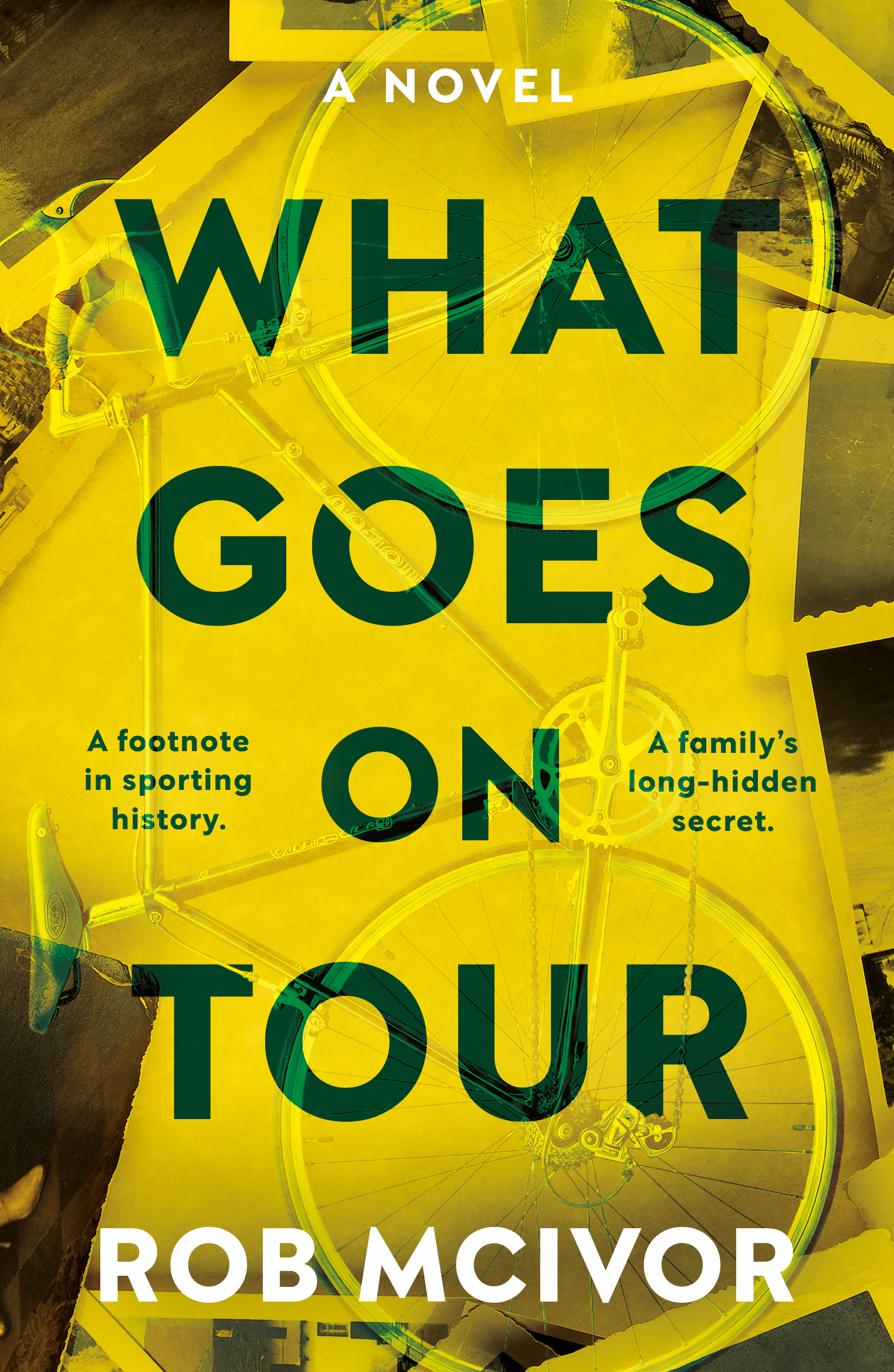
Cycling fiction is a rare beast, which makes a new novel rooted in the drama and moral complexity of professional road racing all the more intriguing. What Goes on Tour, the latest book from British author and long distance cyclist Rob McIvor, uses the Tour de France not simply as a backdrop but as a central force in a story shaped by ambition, danger and unanswered questions.
Set against the heat and pressure of the 1977 Tour, the novel opens with Harry Chatham on the brink of doing what no British rider has ever achieved. He is poised to win the Tour de France, riding strongly in the high mountains, when a crash on a twisting descent ends his life. His death is recorded as a tragic accident and, in time, his name slips quietly into the footnotes of cycling history.
Decades later, his son Jim begins to ask questions. Only after his mother’s death does Jim learn the truth about his parentage and the identity of a father he never knew. What starts as a personal search for answers quickly turns into something far more unsettling. As Jim digs into archive reports, long buried memories and the testimony of those who rode and managed in that era, he is drawn into the shadowy edge of 1970s professional cycling.
McIvor uses this dual timeline effectively, moving between the brutal immediacy of Tour racing and the slower, emotionally charged process of investigation years later. Readers who know the sport will recognise the atmosphere of the period. This was an era before marginal gains and glossy bus setups, when mountain descents were raced on suspect roads, medical supervision was loose by modern standards and loyalty within teams could be a matter of survival.
At the heart of the book is a single, uncomfortable question. Was Harry Chatham’s death really an accident? The evidence Jim uncovers points towards something far more troubling, a truth that, if exposed, might finally clear his father’s name but at significant personal cost. McIvor resists easy answers and instead explores how ambition, fear and silence can shape lives long after the finish line has been crossed.
Cycling is portrayed not as a romanticised escape but as a complex professional environment, what McIvor has described as chess on wheels. The tactics, alliances and rivalries of the peloton are carefully woven into the narrative, giving the novel an authenticity that will resonate with experienced riders and fans alike. There is a clear sense that the author understands endurance sport from the inside.
That credibility is no accident. Before turning to fiction, McIvor built a career in journalism and corporate affairs, and he brings a reporter’s instinct for detail to the page. He is also an accomplished endurance cyclist, having completed Paris–Brest–Paris and London–Edinburgh–London several times, and has served as a director of Audax UK. That lived experience shows in the way physical suffering and mental resilience are described, particularly in scenes set high in the mountains.
The inspiration for the novel came, appropriately, on a climb. McIvor has spoken about thinking of Dutch rider Wim Van Est while riding the Col de Tourmalet, recalling Van Est’s miraculous survival after plunging into a ravine during the 1951 Tour. It is a reminder of how fine the margins have always been in road racing and how easily legend and tragedy can intersect.
Despite the dramatic subject matter, What Goes on Tour is as much about family and memory as it is about cycling. Jim’s investigation forces him to confront uncomfortable truths about those closest to him and to decide whether some secrets are best left untouched. That tension gives the book emotional weight and lifts it beyond a simple sporting mystery.
With a release date of 28 May 2026, the novel arrives at a moment when British interest in the Tour de France is once again on the rise. McIvor has said he hopes the story might also encourage readers to watch the race when it passes through Lancashire next year, connecting fiction, history and the ongoing pull of the Tour itself.
For cycling readers looking for something different from training manuals and biographies, What Goes on Tour offers a rare blend of suspense, moral dilemma and deep affection for the sport. It understands that behind every result sheet lies a human story, and sometimes, those stories refuse to stay buried.