
Maratona dles Dolomites returns for 2026 with peace at its heart
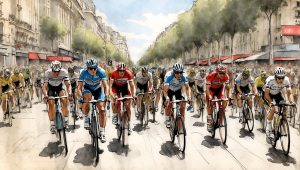
The Maratona dles Dolomites will return to Alta Badia on Sunday 5 July 2026, and this year’s edition carries a theme that reaches well beyond the finish line. For its 39th running, one of Europe’s most iconic sportives will be built around the idea of Pax, or peace, with organisers presenting the event as both a sporting challenge and a shared act of solidarity on the roads of the Dolomites.
Set against the towering passes of northern Italy, the event has long been about more than numbers on a results sheet. In 2026, organisers are leaning into that identity even more strongly, framing the Maratona as a place where riders from across the world come together through mutual effort, respect and the simple rituals of endurance cycling. According to event president Michil Costa, peace is found in small acts such as helping another rider, sharing the strain of a climb and riding side by side with strangers who briefly become companions.
That message is reflected in the look of this year’s event. The official logo for the 39th edition uses the colours of peace in a fractured, contemporary design, with organisers saying the visual identity is intended to mirror the fragile and complicated nature of the present moment. Rather than offering a neat answer, it is meant to ask a question about shared values and what it means to move forward together.
If the Maratona’s cultural message feels especially resonant in 2026, its appeal as a bucket-list sportive is as strong as ever. Organisers say they received 32,400 applications for 8,000 available places, underlining the enduring pull of the event among amateur riders worldwide. The field is split evenly between Italian and international entrants, with riders from 85 nationalities expected on the start line. Behind the scenes, 1,500 volunteers will help run the event, while Italian broadcaster Rai2 is set to provide six hours of live coverage.
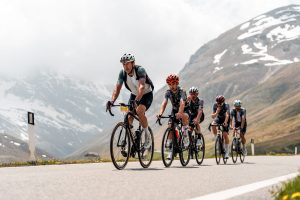
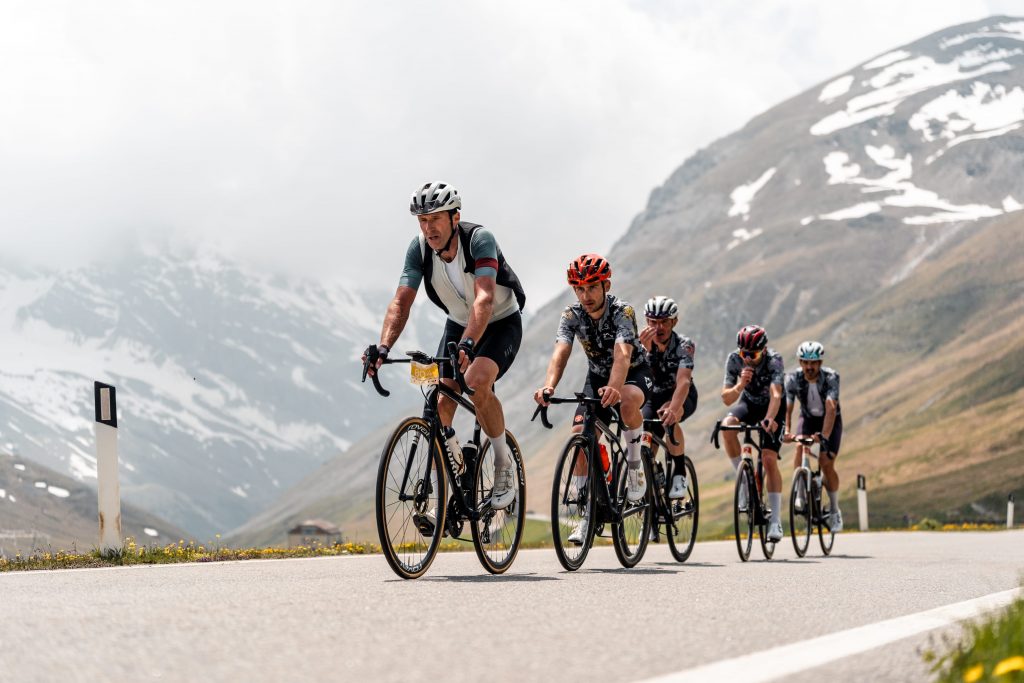
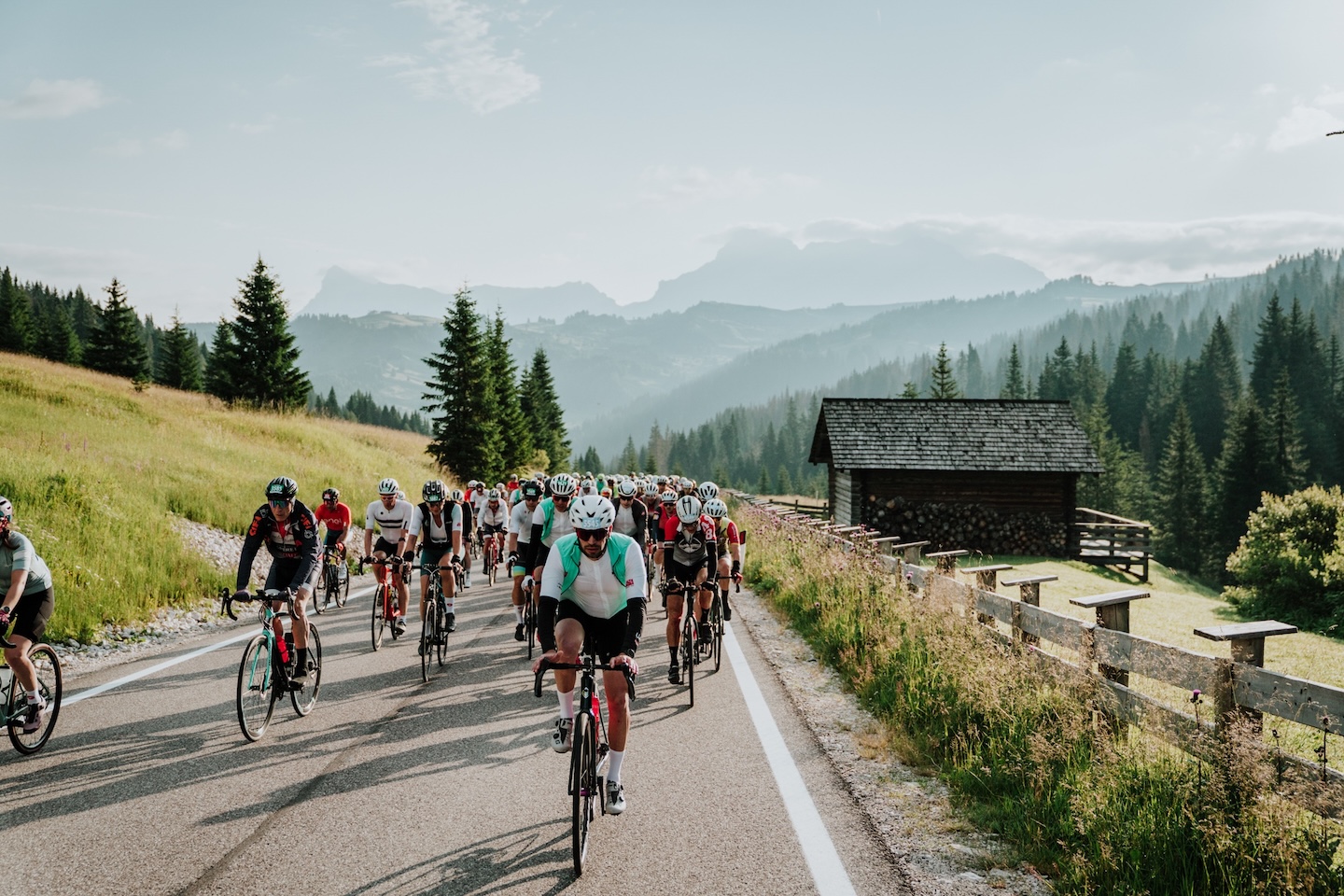
As always, the real draw is the route selection. The Maratona offers three options, each built around the legendary roads that have defined so much of the Dolomites’ cycling mythology. The full Maratona route measures 138 km with 4,230 metres of climbing, the medium course comes in at 106 km with 3,130 metres of elevation gain, and the shorter Sellaronda route covers 55 km with 1,780 metres of ascent. Riders will tackle names that need no introduction to seasoned fans of mountain sportives and Grand Tour racing alike: Pordoi, Sella, Gardena, Campolongo, Falzarego, Giau and Valparola. For one day, those roads will once again be closed to traffic, giving participants the rare chance to experience the Dolomites in near silence, surrounded by early summer colour and huge limestone walls.
The event week itself has grown into a festival of cycling. At the centre is the Maratona Village, where brands, exhibitors and visitors gather for product showcases, talks, live entertainment and food. Saturday remains dedicated to the Maratona for Kids, while the wider programme includes open rides through the week. Among them is the Sunrise Coffee Ride, an early morning spin from La Villa to Gardena Pass via Corvara, finishing with cappuccino and a croissant on the summit. Also returning are a Wednesday ride with a local champion and the Pinarello Ride, with a special guest still to be announced.
One of the more distinctive additions this year is a cooking class centred on the so-called Maratona Dish. Scheduled for Thursday, the session will be led by Chef Manuel and is designed to blend local identity, good nutrition and the kind of food culture that has always sat naturally alongside cycling in the Alps. It is another sign that the Maratona is increasingly positioning itself as a full regional experience rather than a single day in the saddle.
Charity remains a significant part of the event’s identity. For 2026, organisers say 400 entries were sold for charitable purposes, raising more than €83,000. The funds will be shared between three organisations: Insieme si può, which supports the Times of Peace project for people working in conflict zones and post-war reconciliation efforts in Congo and Bosnia; the Nervo Pasini Foundation, which backs a project providing daily hot meals and support for vulnerable people in Padua; and the Laureus Sport for Good Foundation, which promotes sport as a tool to help prevent youth hardship.
Even for riders who miss out on a Maratona place, Alta Badia’s early summer calendar still offers a taste of traffic-free climbing. The Sellaronda Bike Day will take place on 6 June, before returning on 12 September, with the roads around the Sella Group closed to motor vehicles for a 53 km anti-clockwise ride featuring 1,637 metres of ascent. Then, on 20 June, the Dolomites Bike Day will open up a 51 km loop over Campolongo, Falzarego and Valparola, with 1,370 metres of climbing and no need for registration. Both events continue the region’s winning formula of combining spectacular riding with a softer, more sustainable use of the mountains.
For many riders, the Maratona remains one of cycling’s great amateur experiences because it manages to balance grandeur with intimacy. It has the scenery, the famous climbs and the near-mythical status, but it also trades on something more human: the feeling that for a few hours the road belongs not to traffic, status or noise, but to shared effort. In 2026, with peace chosen as the event’s central theme, that idea feels more deliberate than ever. On these roads, at least, the act of riding together is being presented as its own quiet statement.