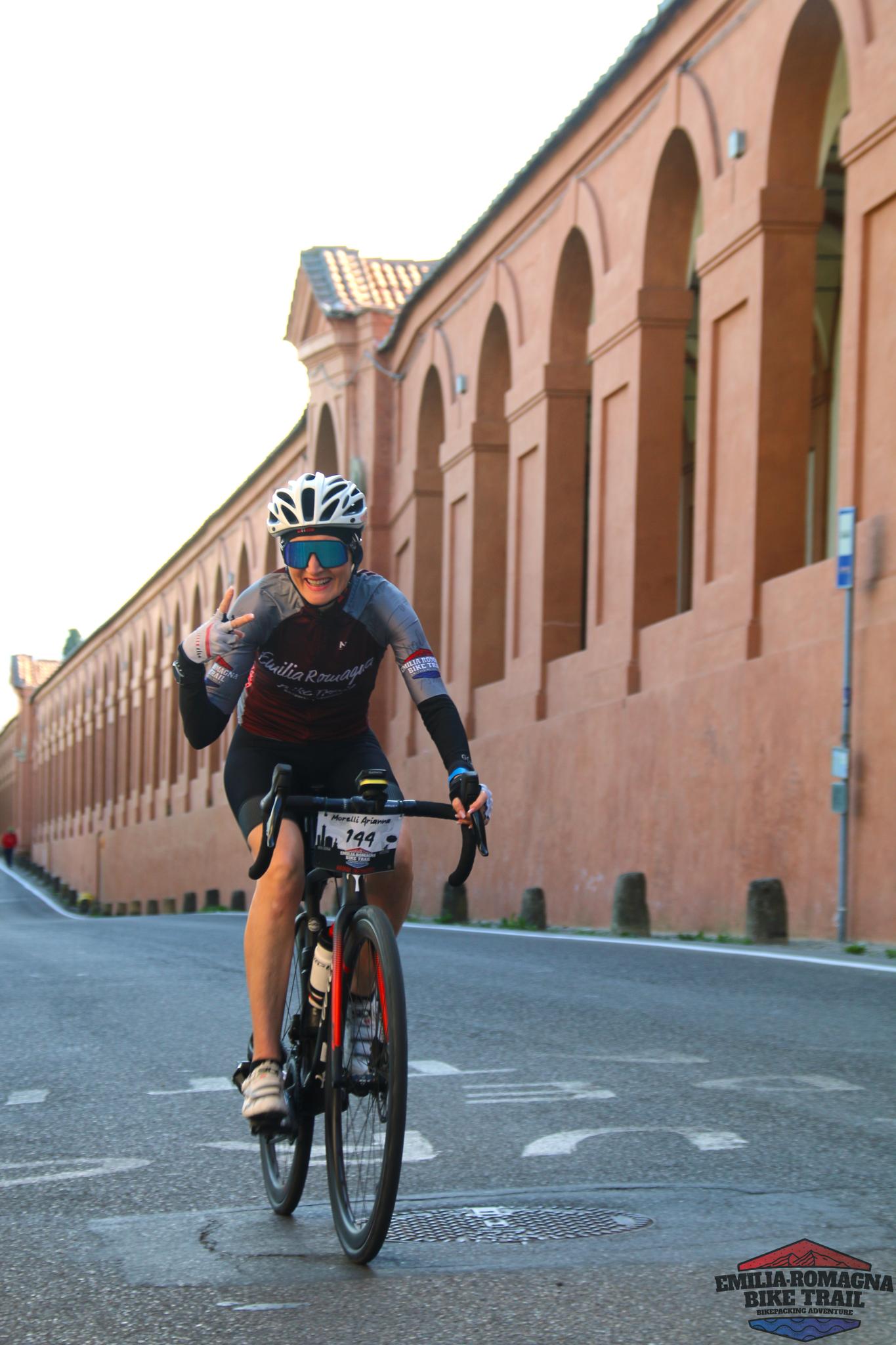

Emilia-Romagna Bike Trail 2026 set out to link Bologna and Riccione in a four-route bikepacking adventure
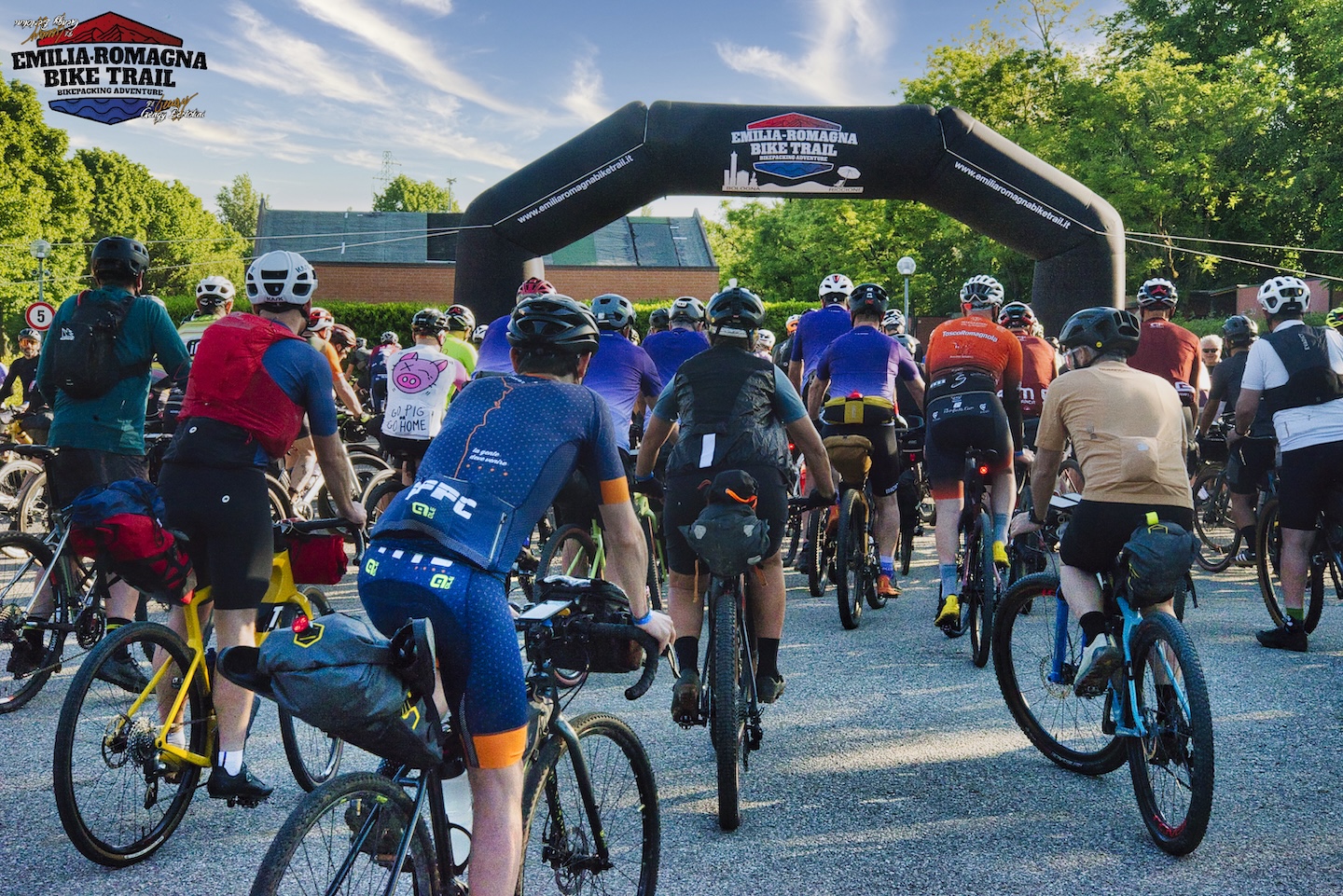
From the porticoes of Bologna to the Adriatic coast at Riccione, the seventh edition of the Emilia-Romagna Bike Trail was presented as a non-competitive bikepacking event built around freedom, exploration and long days in the saddle. Riders were given four distinct routes, ranging from a largely flat gravel journey to a demanding mountain crossing through the Romagna Apennines.
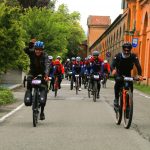
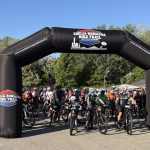
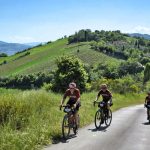
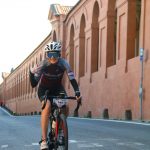
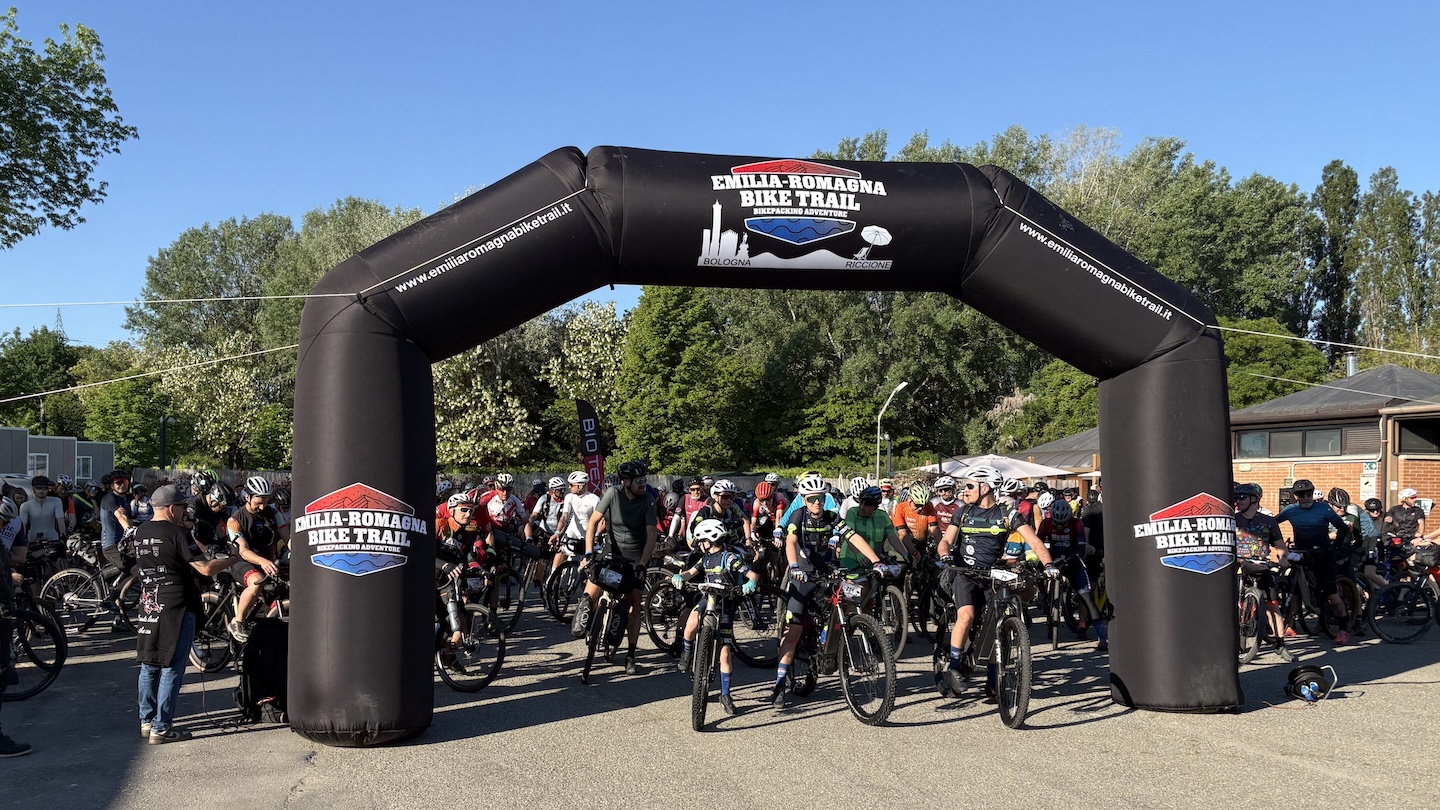
The 2026 edition was scheduled to begin on Friday 1 May from the Bologna Easy Camping Village, with the finish based at the Riccione Easy Camping Village. Organisers said the event had been designed to showcase Emilia-Romagna through hill trails, gravel roads, lagoon landscapes and historic towns, before delivering riders to the sea. It remained a non-competitive ride, with no clock and no time limit, so participants were free to decide their own pace, stops and overall approach.
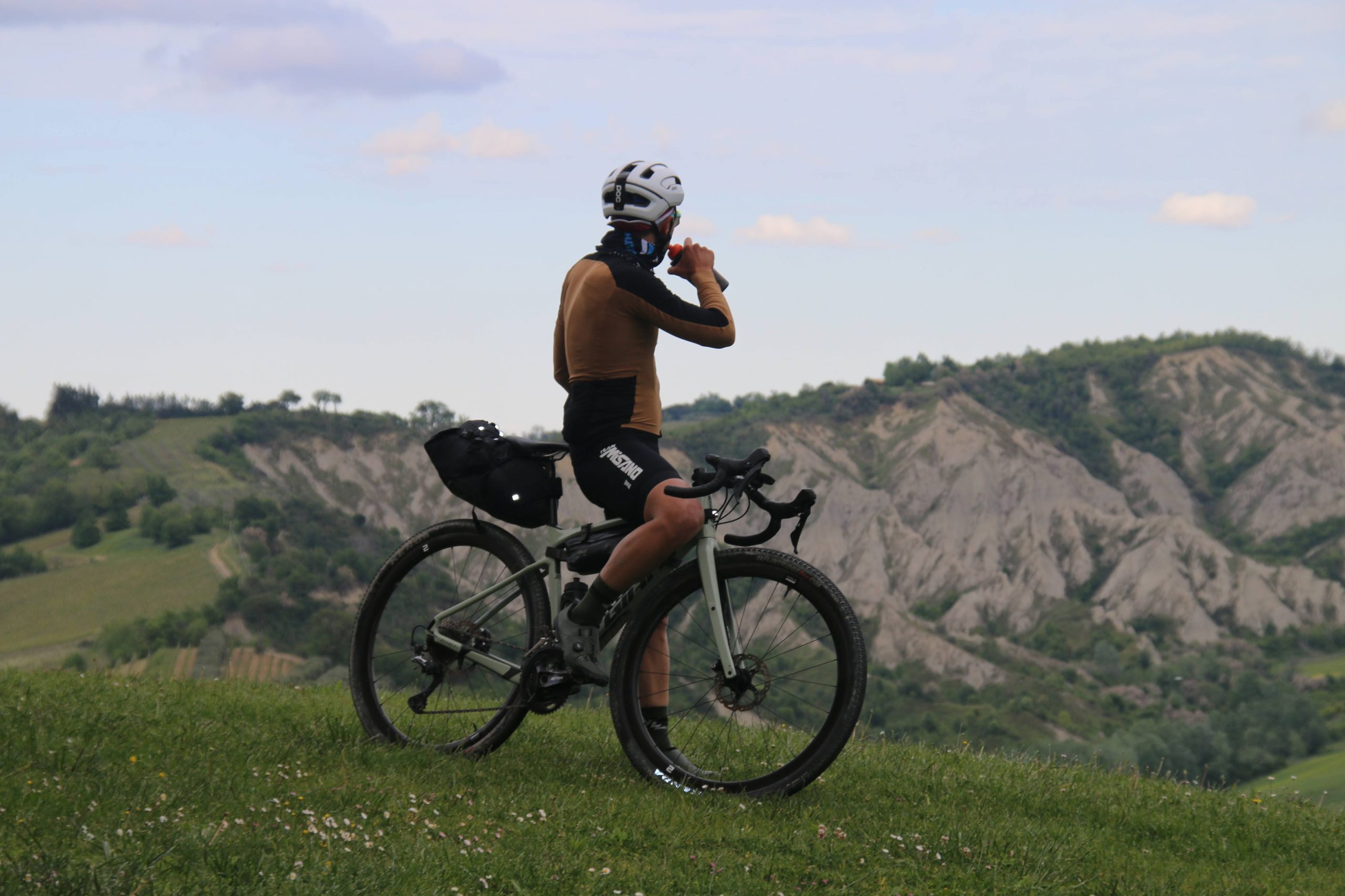
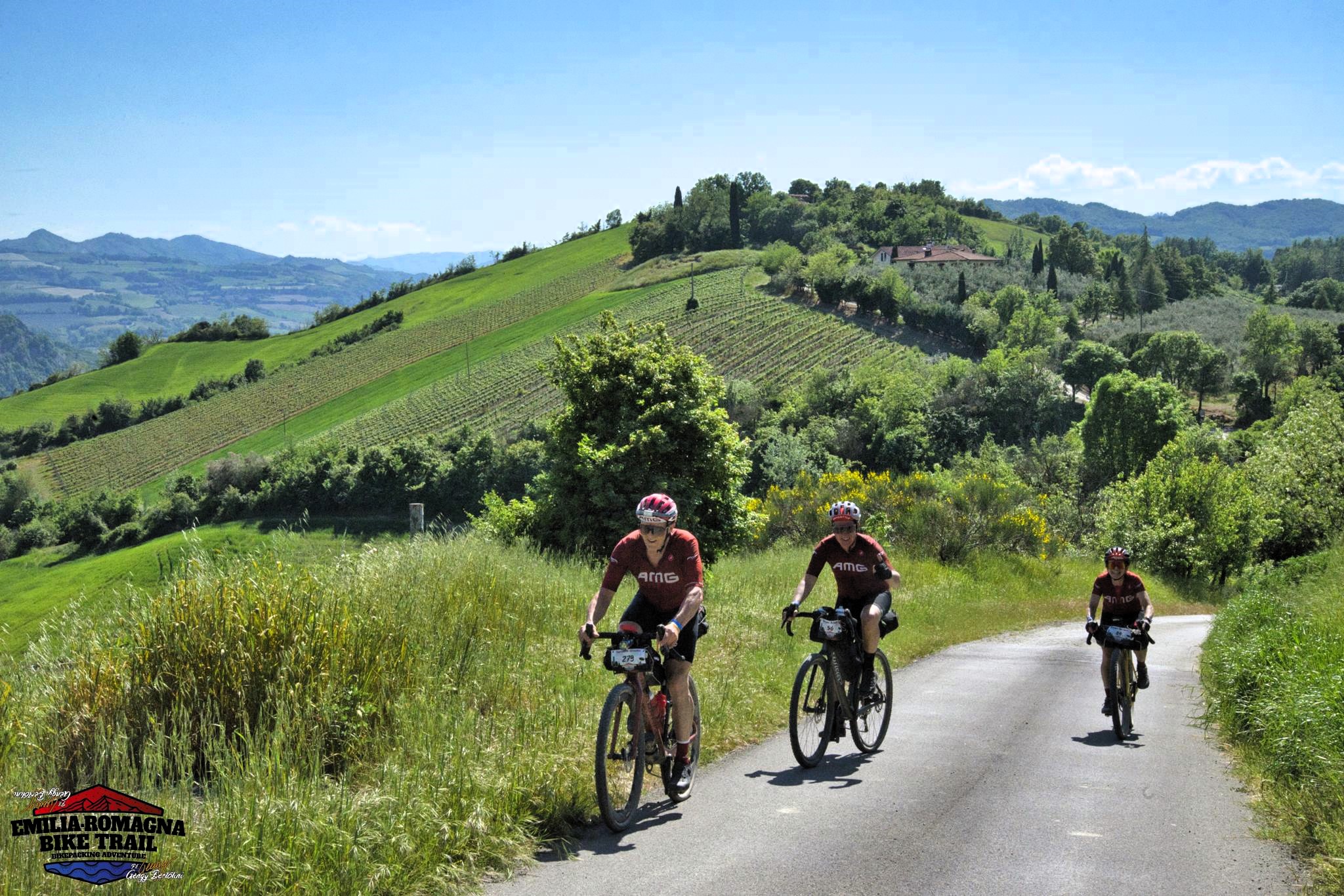
That sense of autonomy sat at the heart of the event. Riders were able to choose from four GPX routes, each shaped around a different style of riding and level of challenge. The Classic route stretched to 260km with 4,050m of climbing and was pitched as a modern gravel ride linking some of Romagna’s most attractive towns via rideable climbs and mixed terrain. The Flat route covered 280km with only 500m of elevation gain, taking in gravel tracks, wetlands and natural oasis areas on a course where, as the organisers put it, the only real climbs were the flyovers.
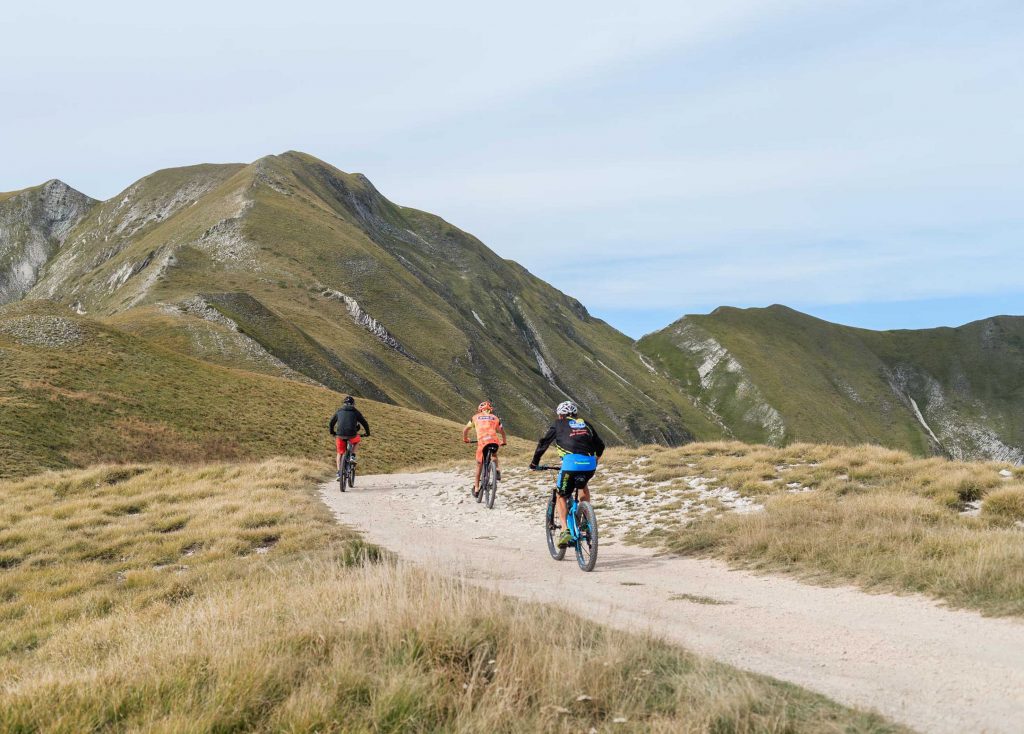
For those who preferred tarmac and long mountain roads, the Road route ran to 400km and packed in 7,500m of ascent, following only paved roads while passing over some of the area’s best-known climbs. At the sharp end of the event sat the Adventure route, a 390km test with 8,900m of elevation gain that crossed the Romagna Apennines and was intended for riders looking for a true trail experience on mountain bikes. Taken together, the four options gave the event a broad appeal, from first-time bikepackers to seasoned ultra-distance riders.
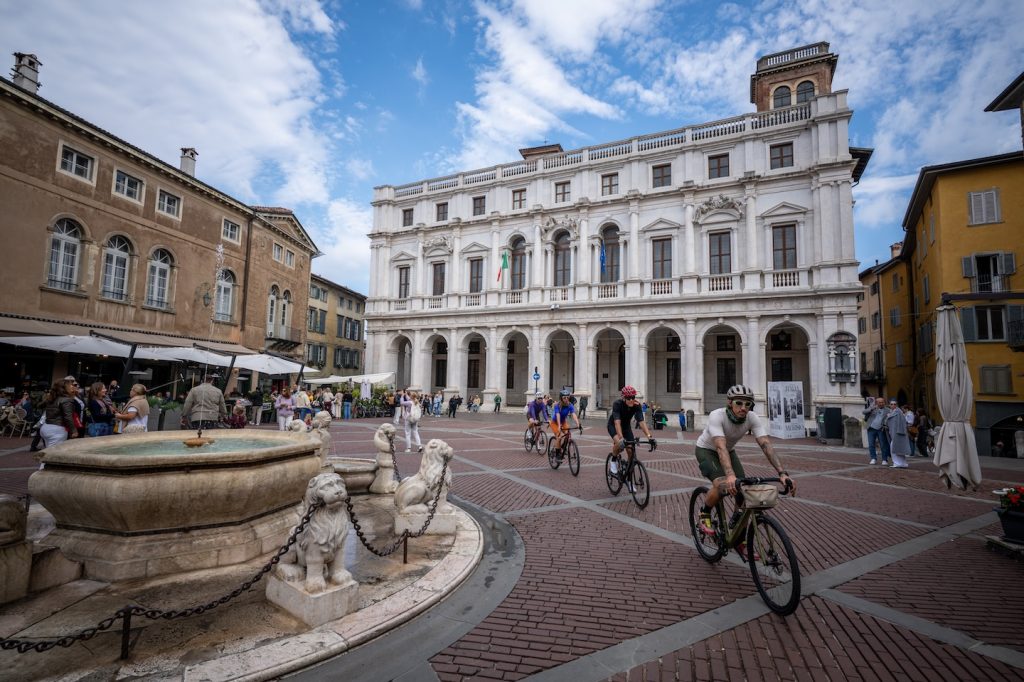
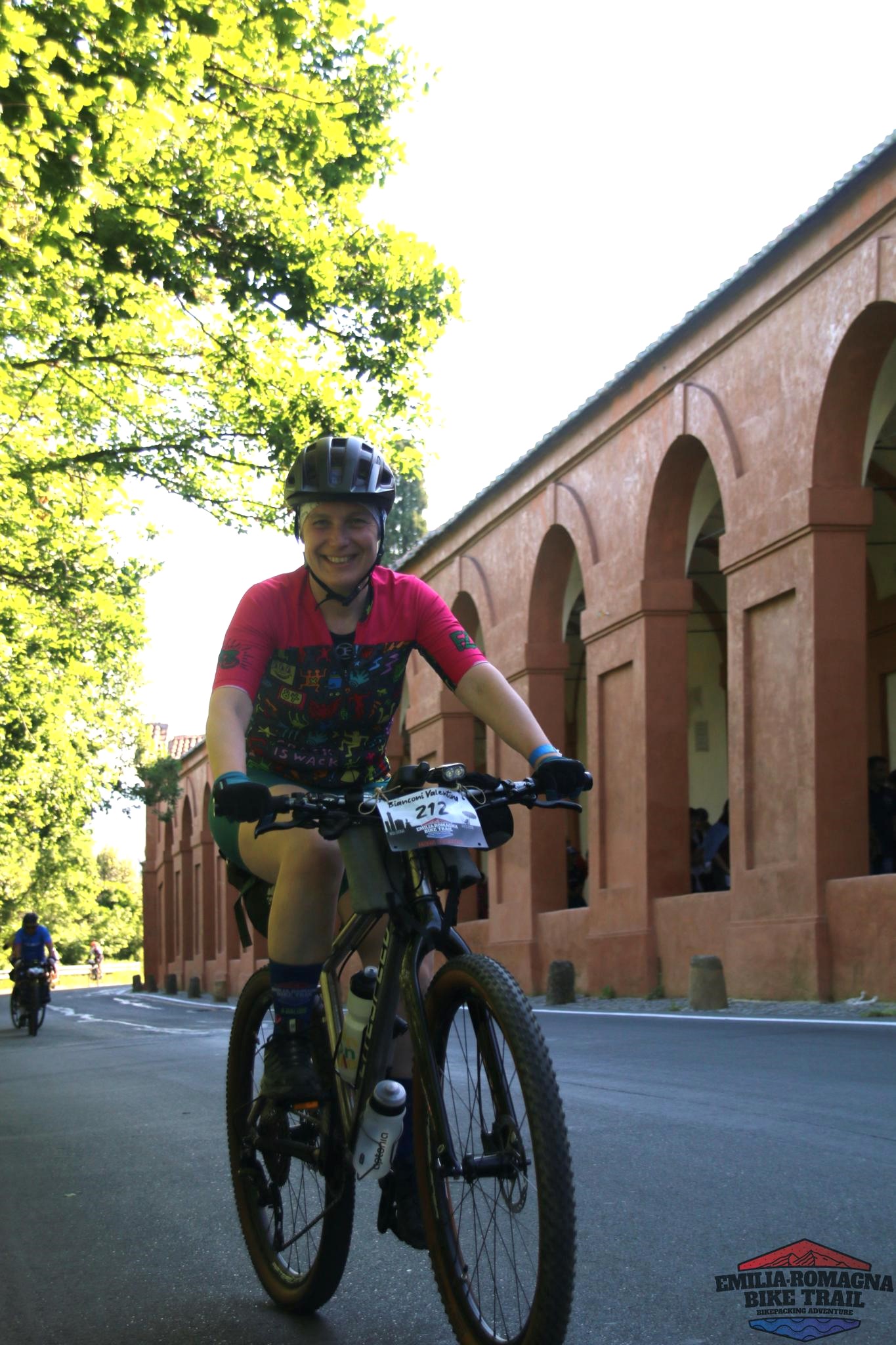
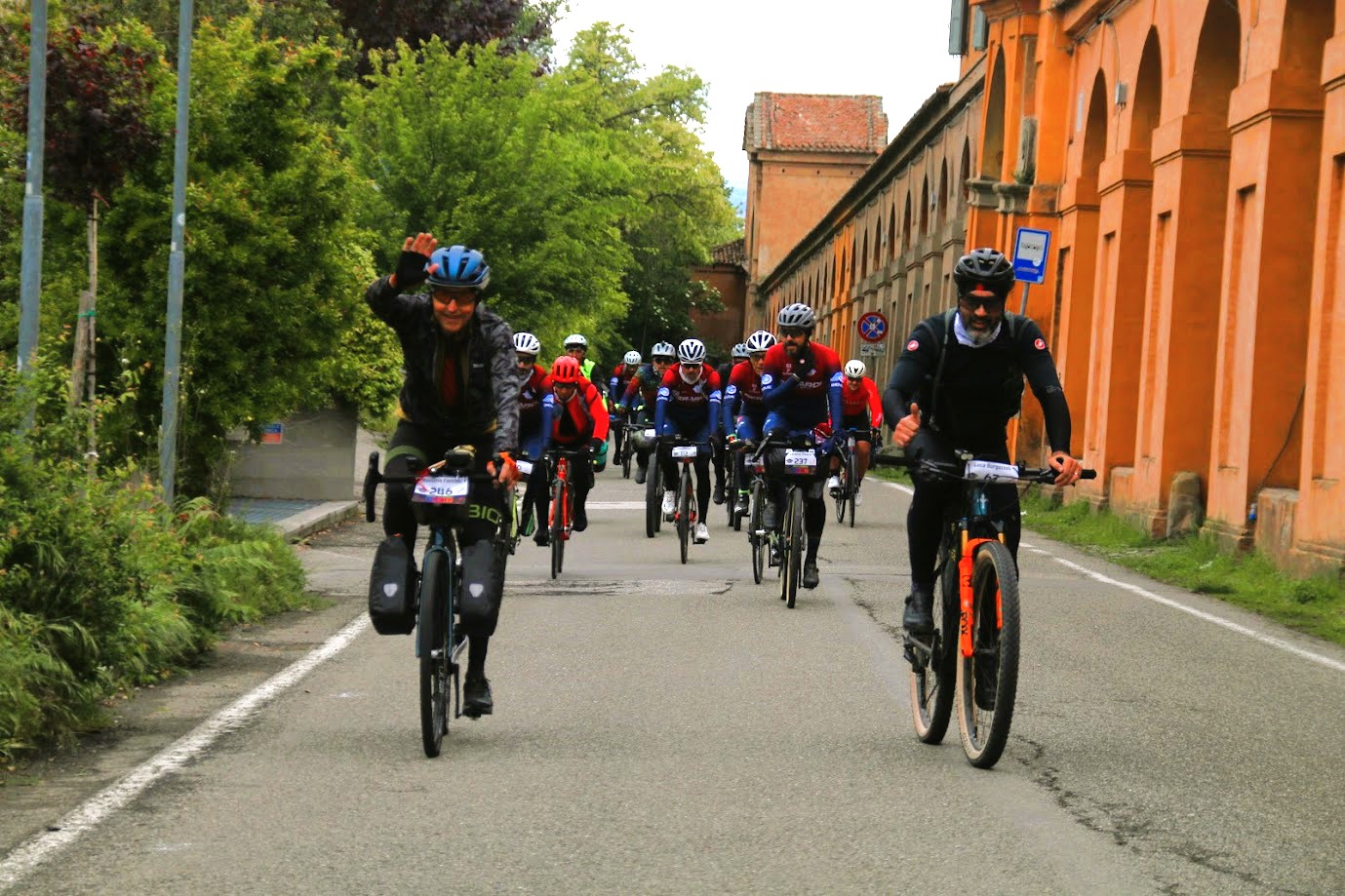
The route out of Bologna was set to include two of the city’s most recognisable landmarks, Piazza Maggiore and the climb to the Sanctuary of San Luca, before the trails and roads unfolded across the region. A refreshment stop was planned in Castel San Pietro Terme, where riders would have been served lunch featuring local produce. At the finish in Riccione, participants were due to be welcomed with a craft beer supplied by a sponsor, a suitably relaxed end to a ride that leaned heavily into the social side of endurance cycling.
Practicality also seemed to have been carefully considered. A return gravel track was included for all entrants, giving riders the option of cycling back on flatter paths, while regular train links between Bologna and Riccione offered a simpler journey home for those who had emptied the tank on the way to the coast. Each rider also received a map on which checkpoint stamps could be collected, adding a low-key brevet feel to the weekend and leaving participants with a souvenir of the ride. Base camps and checkpoints were positioned as useful recovery points where riders could rest, eat, wash and regroup before heading back out.
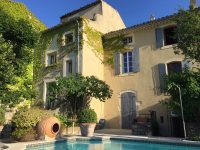
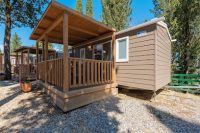
Accommodation and bivvy options were spread sensibly across the courses. On the Classic route, riders could stop at the Zappi Cycling Hotel in Riolo Terme, Rio del Sol near Forlì, or a covered bivouac at Bertinoro’s Welcome Room. The Adventure and Road routes shared some of the same infrastructure, including Riolo Terme, while also offering indoor overnight options at the sports hall in Tredozio and the municipal gym in San Piero in Bagno. On the Flat route, the overnight choices included Agriturismo Prato Pozzo near Argenta and the Spina Family Collection at Lido di Spina.
The event was organised by Regaz della Polisportiva Villafontana in collaboration with the municipalities of Medicina, Riccione, Tredozio, Bertinoro and Castel San Pietro Terme, with support from the Emilia-Romagna Region, the Metropolitan City of Bologna and the Nuovo Circondario Imolese. That backing reflected the event’s wider purpose, which went beyond pure riding and into the promotion of slow tourism, local food culture and lesser-known corners of the region. The messaging from organisers and public bodies consistently pointed to the same idea: this was not simply a start-to-finish challenge, but a moving postcard of Emilia-Romagna.
A central figure behind the event was founder Stefano Romualdi, described in the press material as an internationally recognised ultra-distance bikepacker. The release noted that he held the best Italian performance on the Tour Divide and had also posted notable results on other major off-road ultras, including an 11th-place finish at the 2023 Atlas Mountain Race and a top-10 placing at the 2025 Fat Viking Race in Norway. His background helped explain the event’s dual character: accessible on the surface, but rooted in a deep understanding of what long-distance riders actually needed from a trail.
In the end, the Emilia-Romagna Bike Trail 2026 looked to have offered a smart mix of challenge and inclusivity. It promised iconic road climbs, remote gravel sectors, practical logistics and a finish by the sea, all without the pressure of a stopwatch. For a cycling audience increasingly drawn to self-supported riding and meaningful travel, it read like the sort of event that understood exactly why bikepacking had captured the imagination.